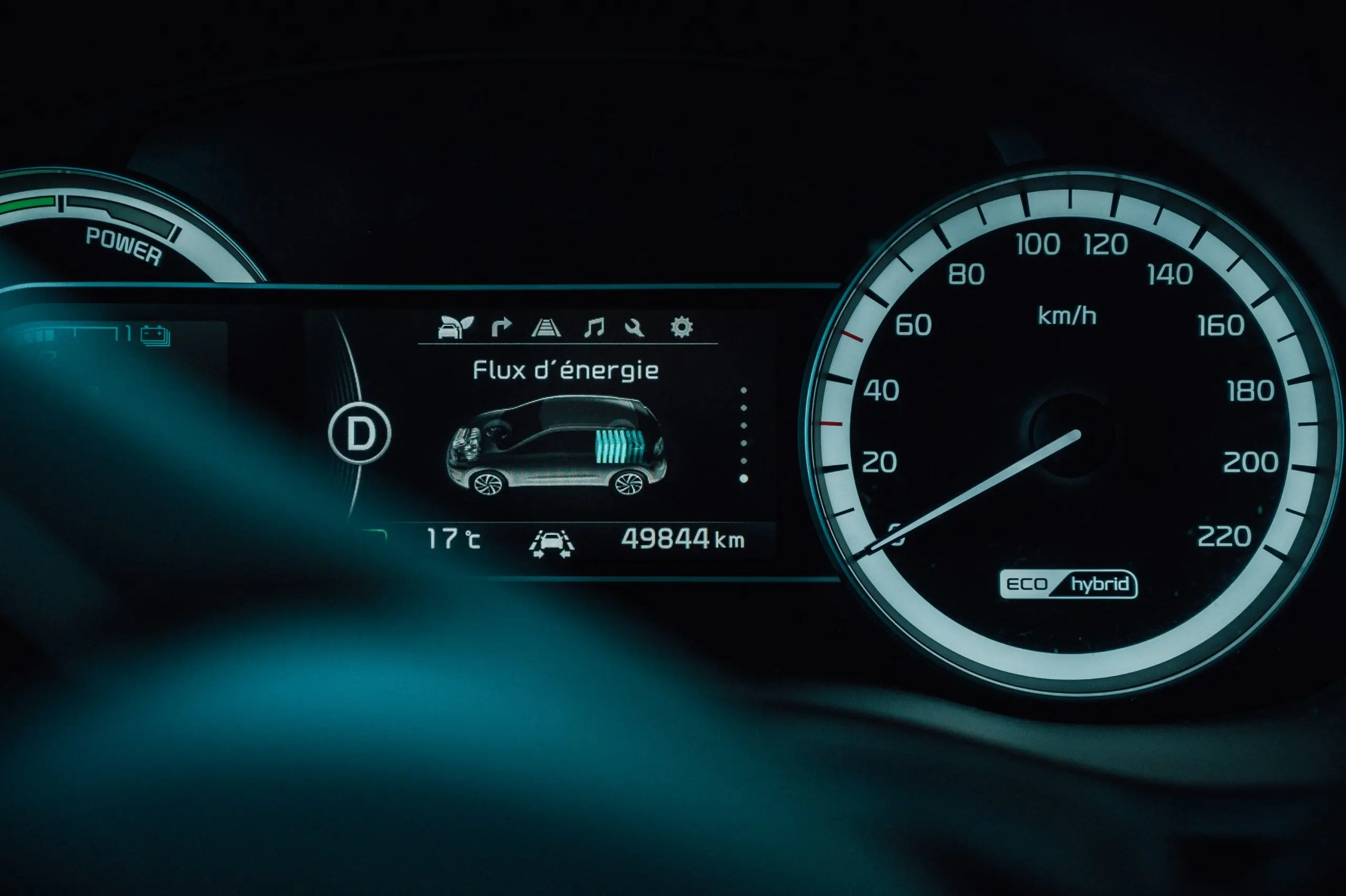
You’re driving peacefully, maybe heading to work or picking up groceries, when you glance at your dashboard and see a red battery symbol lit up.
You hope it disappears. But it stays on. Should you be worried? Yes, you should.
When your battery light comes on and doesn’t turn off, it’s a warning that something is wrong with your car’s electrical system.
If you ignore it, your car might eventually stall or stop working altogether.
Let’s break down exactly what’s happening, why it’s serious, and what steps you should take.
What the Battery Light Actually Means
Many people assume the battery light means the battery is about to die. That’s partially true, but the situation is usually bigger.
Your car’s electrical system is made up of several important parts:
- The Battery: Stores energy to start the engine and power accessories.
- The Alternator: Generates electricity while the engine runs and recharges the battery.
- The Voltage Regulator: Controls the amount of electricity moving to and from the battery.
When your battery light stays on, it’s usually because the battery isn’t getting enough charge. This could mean the battery is draining while you drive, which is dangerous because once the battery runs out of power, your car will shut off.
Even if your car seems fine at first, the problem is growing behind the scenes.
Common Reasons Why the Battery Light Stays On
Now that you know it’s about more than just the battery, let’s dig deeper into the most common reasons this warning light won’t turn off.
1. Bad Alternator
The alternator is like a mini power plant under your hood. It keeps the battery charged and powers all the electronics like the lights, radio, and air conditioning.
If the alternator isn’t working properly:
- The battery has to supply all the power.
- Eventually, the battery drains.
- The car will stall once the battery is empty.
Signs of a failing alternator include:
- Flickering dashboard lights
- Dimming headlights
- Strange noises (like whining)
- Trouble starting the car
A failing alternator is one of the most common causes of a steady battery light.
2. Broken or Loose Drive Belt
The alternator doesn’t work on its own. It’s spun by a serpentine belt connected to the engine. If this belt breaks or becomes loose:
- The alternator can’t spin properly.
- The battery won’t charge.
- The battery light will stay on.
Signs of a belt problem:
- Squealing noises when you start the car
- Sudden loss of power steering
- Engine overheating (because the water pump may stop working too)
A broken belt means you’re not just risking the battery — you’re risking other important parts too.
3. Bad Battery
Sometimes, the battery really is the culprit. Car batteries don’t last forever. Most need replacement every 3–5 years.
If your battery is old, damaged, or low on charge, it can cause:
- Slow engine cranking
- Clicking noises when you turn the key
- Dim lights even when the engine is running
A battery problem can fool your car’s system into thinking something bigger is wrong. Even if you replace the alternator but keep a bad battery, you’ll keep having issues.
4. Faulty Voltage Regulator
The voltage regulator controls how much electricity your alternator sends to the battery. If it’s faulty:
- The battery might get overcharged (which damages it).
- The battery might not get charged enough (which drains it).
Either way, the battery light will turn on because the system notices the abnormal voltage.
Modern cars usually have the voltage regulator built into the alternator, but in older cars, it’s a separate part.
5. Loose or Corroded Wires
Electricity needs clean paths to travel. If the cables and connectors to your battery or alternator are:
- Corroded (covered in white or blue powdery gunk)
- Loose
- Frayed or damaged
It can interrupt the flow of power. Even if the alternator and battery are perfectly fine, bad wiring can confuse the car’s computer and trigger the battery warning light.
Checking your battery terminals regularly for corrosion and making sure connections are tight is an easy way to avoid this problem.
What to Do If Your Battery Light Stays On
If the battery light stays on while you’re driving, stay calm, but act quickly.
Here’s what you should do:
1. Turn Off Electrical Accessories
Save your remaining battery power by turning off:
- Radio
- Air conditioner
- Heater
- Headlights (if safe to do so)
Your goal is to use as little electricity as possible.
2. Find a Safe Place to Stop
Don’t push your luck by continuing your trip. Safely pull into a parking lot, gas station, or side street where you can wait for help or get your car towed.
If you’re near a repair shop, you might be able to drive there before your car quits, but don’t gamble if it’s far away.
3. Call for Help if Needed
If you’re far from home or a repair shop, call roadside assistance. Driving a car with a dead battery and a non-working alternator can leave you stranded in dangerous spots.
Can You Drive with the Battery Light On?
Technically, yes—but it’s risky.
- If the alternator completely fails, your car’s battery might last only 20 to 30 minutes.
- Essential systems like power steering and brakes could fail as the battery drains.
- Your engine will shut off when the battery is completely drained.
That’s why you should think of a glowing battery light as an urgent warning—not something you deal with “later.”
How Mechanics Diagnose the Problem
When you get to a shop, the mechanic will usually:
- Test the battery voltage to check if it’s healthy.
- Test the alternator output to see if it’s charging correctly.
- Inspect the serpentine belt to ensure it’s tight and not broken.
- Check the voltage regulator if needed.
- Inspect wiring for corrosion, looseness, or damage.
Sometimes the fix is as simple as tightening a cable. Other times, you might need a new alternator, belt, or battery.
The good news? Most electrical repairs are straightforward if caught early.
How to Prevent Battery Light Problems
Prevention is always cheaper and easier than emergency repairs. Here’s how you can avoid getting surprised by the battery light:
- Get your battery tested yearly, especially after it hits 3 years old.
- Watch and listen for signs of belt problems (squealing sounds, flickering lights).
- Look at your battery terminals often and clean off any corrosion.
- Pay attention to how your car starts—slow cranking is an early warning sign.
- Have your alternator checked during regular service visits.
Taking these simple steps can save you hundreds of dollars and a lot of headaches.
Final Thoughts
When your battery light comes on and stays on, don’t ignore it. It’s not just a small glitch—it’s a serious warning that your car’s electrical system needs help.
A bad alternator, loose belt, dying battery, or even simple corrosion can all trigger this light.
Acting quickly can save your car from a complete shutdown, prevent you from being stranded, and avoid bigger, more expensive repairs.
If you ever see that red battery light glow, stay calm, save your battery power, and get help as soon as you can. Your car—and your wallet—will thank you later! 🚗🔋