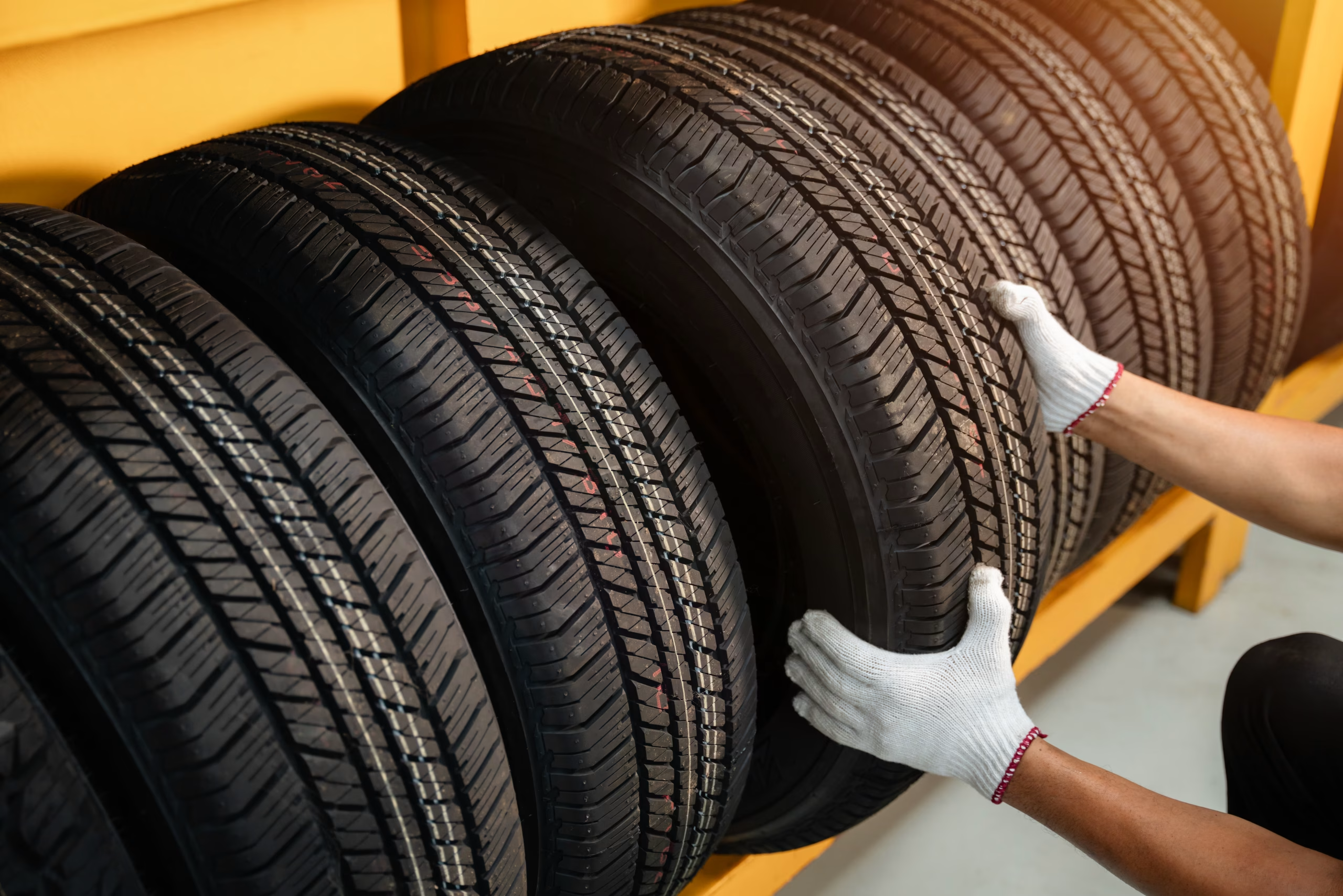
As the winter months fade away and spring emerges, it’s essential to transition from winter driving to spring tire care to ensure your safety on the roads and prolong the life of your tires. The harsh winter conditions can take a toll on your tires, so it’s crucial to give them some extra attention as the seasons change. Here are some essential tips on how to maintain your tires after winter.
1. Inspect Tread Depth
Check the tread depth of your tires regularly, as worn-out treads can significantly impact your vehicle’s traction and handling. Use the penny test by inserting a penny into the tread with Lincoln’s head facing down. If you can see the top of Lincoln’s head, it’s time to replace your tires.
2. Check Tire Pressure
Fluctuating temperatures in the spring can affect tire pressure. Make sure to check the air pressure in your tires regularly using a tire pressure gauge. Refer to your vehicle’s manual for the recommended tire pressure and adjust accordingly.
3. Rotate Your Tires
Rotate your tires regularly to ensure even wear. Front tires tend to wear out faster than rear tires due to steering and braking forces. By rotating them according to your vehicle manufacturer’s recommendation, you can extend the lifespan of your tires.
4. Inspect for Damage
Winter roads can be harsh on tires, leading to potential damage like cracks, bulges, or punctures. Inspect your tires carefully for any signs of damage, as driving with damaged tires can be dangerous. If you notice any issues, it’s best to have them inspected by a professional.
5. Align Your Wheels
Driving over potholes and rough roads in the winter can knock your wheels out of alignment, leading to uneven tire wear and poor vehicle handling. Have a professional mechanic check and align your wheels to ensure optimal performance and tire longevity.
6. Avoid Overloading Your Vehicle
Spring often marks the beginning of road trips and outdoor adventures. While packing your vehicle, make sure not to overload it, as excess weight can put extra strain on your tires, leading to premature wear and potential blowouts.
7. Consider Switching to Summer Tires
If you use winter tires during the colder months, it’s time to switch back to summer or all-season tires as the temperatures rise. Winter tires are designed for cold weather conditions and can wear out quickly in warmer weather, affecting your vehicle’s performance.
8. Drive Carefully
Lastly, driving habits play a significant role in tire maintenance. Avoid sudden stops, sharp turns, and speeding, as these behaviors can accelerate tire wear. Smooth and cautious driving not only prolongs the life of your tires but also ensures your safety on the road.
By following these spring tire care tips, you can keep your tires in top condition after the harsh winter months and enjoy a smooth and safe driving experience throughout the spring and beyond. Remember that proper tire maintenance not only enhances your safety but also saves you money in the long run by extending the life of your tires.