Your car’s transmission helps it move by sending power from the engine to the wheels. It relies on clean transmission fluid to do this smoothly. But over time, that fluid can pick up dirt and debris.
That’s where the transmission filter comes in—it keeps the fluid clean. If that filter gets clogged, your transmission can start having serious problems.
Here’s a closer look at the most common clogged transmission filter symptoms to watch for, so you can act fast before small problems become big, expensive ones.
1. Slipping Gears While Driving
If you’ve ever felt your car suddenly jump out of gear, it’s not just annoying—it’s dangerous. This is called gear slipping, and it often means your transmission filter might be clogged.
When the filter is blocked, not enough fluid gets to the transmission. This causes the gears to lose pressure and slip. You might be driving down the road and suddenly feel your car hesitate or rev without actually speeding up. In some cases, it may feel like the car switches to neutral even though it’s still in “Drive.”
This is one of the most obvious signs of a clogged transmission filter. It’s also one of the most serious. Slipping gears can make your car hard to control, especially in traffic or on hills. If you notice this, get your car checked right away.
2. Delayed Gear Shifting
When you shift your gear from “Park” to “Drive” or “Reverse,” your car should move right away. But if there’s a delay—like your car takes a few seconds before moving—it’s a warning sign.
This can also happen while driving. Your car might take longer than usual to shift from one gear to another. You may feel a hesitation or a hard jerk when the gear finally kicks in.
This happens when the fluid can’t flow freely due to a dirty filter. The transmission needs steady fluid pressure to shift gears properly. Without it, everything slows down and becomes rough. A delay in shifting may not seem like a big deal at first, but it usually means the problem is getting worse.
3. Unusual Noises from the Transmission
Noises like whining, grinding, or buzzing from your transmission aren’t normal. These sounds often mean the fluid isn’t moving like it should, and the transmission is working harder than normal.
A clogged filter can cause air bubbles in the fluid or make it hard for the fluid to reach all the moving parts. That can lead to metal rubbing against metal, which makes grinding noises. Whining or humming noises usually mean the transmission is struggling to build up the right amount of pressure.
You might notice these noises most when the car is shifting gears, especially at higher speeds or when going uphill. Don’t ignore them—strange sounds usually mean something is going wrong inside the transmission.
4. Burning Smell
A burning smell coming from your car is always a red flag. If it smells like burnt toast or burnt oil, your transmission fluid may be overheating. When the filter is clogged, it blocks the flow of fluid. That means the transmission doesn’t get the cooling it needs.
Transmission fluid does more than just help shift gears. It also keeps the system cool and reduces friction. Without enough clean fluid, parts can overheat and wear out quickly.
This burning smell often comes with other symptoms, like slipping gears or poor acceleration. If you smell something burning, stop driving and check your fluid level or call a mechanic. Overheating can lead to total transmission failure.
5. Leaks and Low Fluid Levels
If you notice red or brown fluid under your car when it’s parked, you may have a leak. While there are many reasons for a transmission fluid leak, a clogged filter is one possible cause.
When the filter is blocked, pressure builds up in the transmission system. That pressure can push fluid out through weak spots, like seals or gaskets. Over time, this creates leaks.
You might also find yourself adding transmission fluid more often than usual. That’s another sign the system isn’t working right. Leaks left untreated will lower the fluid level, which can cause even more damage.
If you spot fluid on the ground or your transmission dipstick shows low levels often, check the filter and the entire system.
6. Poor Acceleration
Have you noticed your car struggling to speed up when you press the gas pedal? Poor acceleration is a common symptom of a clogged transmission filter.
When the filter can’t pass enough fluid, the transmission can’t work properly. It needs that fluid pressure to push power to the wheels. Without it, your car may feel sluggish or weak.
You might notice this most when trying to merge onto the highway, go up a hill, or pass another car. This isn’t just frustrating—it can be dangerous if your car doesn’t respond the way you expect.
If your engine seems fine but your car doesn’t pick up speed like it should, check your transmission filter.
7. Warning Lights on the Dashboard
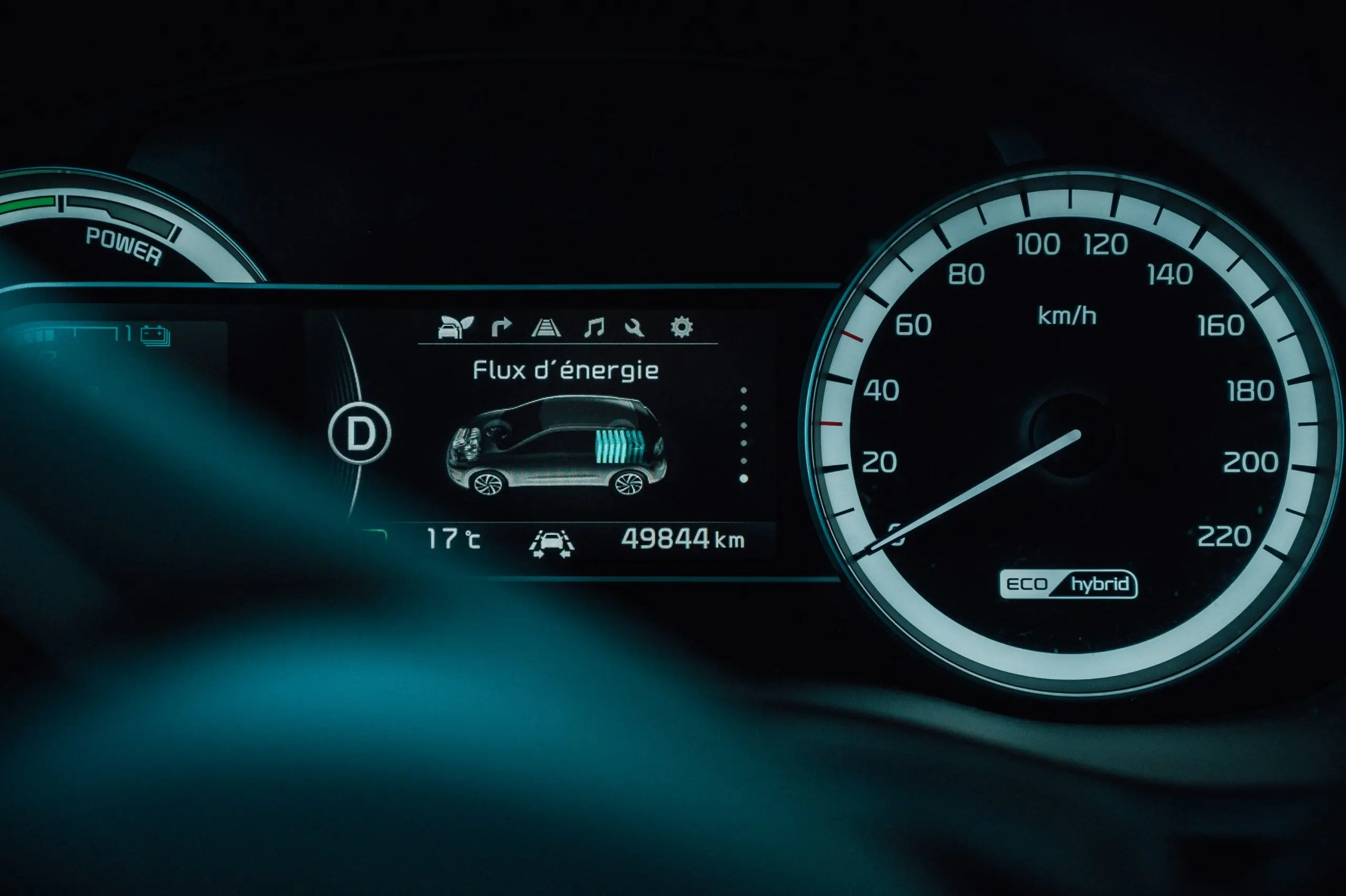
Today’s cars have sensors that can detect problems in the transmission. If something’s wrong, your dashboard may light up with a warning. You might see a “Check Engine” light or, in some cars, a transmission-specific light.
These warning lights can mean lots of things, but if they show up with other symptoms like rough shifting or strange smells, a clogged filter could be to blame.
Don’t ignore dashboard lights. They’re your car’s way of saying, “Something’s wrong—fix me!” A quick scan with a diagnostic tool at a repair shop can often pinpoint the exact problem.
8. Unresponsive Transmission
In the worst-case scenario, your transmission may not work at all. You shift into “Drive” or “Reverse,” and the car doesn’t move. This usually means the filter is completely blocked and no fluid is reaching the transmission.
This is a serious problem. It can leave you stranded and may even require a full transmission replacement if it’s not handled quickly. If your car won’t move and you’ve noticed other symptoms beforehand, there’s a good chance a clogged filter is the cause.
What Causes a Clogged Transmission Filter?
A few common things can clog your filter over time:
- Old fluid: Transmission fluid breaks down and collects debris.
- Metal shavings: As the transmission wears out, tiny pieces of metal flake off and get stuck in the filter.
- Lack of maintenance: Skipping scheduled fluid changes allows dirt and gunk to build up.
Changing your fluid and filter every 30,000 to 60,000 miles can prevent most of these problems. Always check your owner’s manual for the right schedule for your car.
Final Thoughts
A clogged transmission filter might seem like a small problem, but it can lead to big trouble.
From slipping gears and delayed shifting to burning smells and total failure, the symptoms are serious. The good news? These issues can often be fixed quickly if caught early.
If your car shows any of the symptoms above, don’t wait. Check the transmission fluid, listen for odd noises, and pay attention to how your car shifts.
Regular maintenance, including fluid and filter changes, can keep your transmission running smoothly and help you avoid expensive repairs down the road.
Stay alert, stay safe—and take care of your car before it starts yelling for help.