Hybrid vehicles are known for saving fuel and reducing emissions, but they rely heavily on one critical part—the hybrid battery. When this battery overheats, it can cause serious problems, from poor performance to costly repairs.
The good news is that overheating rarely happens without warning. If you know what signs to look for, you can catch the problem early and protect your vehicle.
This guide explains how to identify overheating in hybrid batteries in a simple, clear way that anyone can understand.
What Does It Mean When a Hybrid Battery Overheats?
A hybrid battery is designed to work within a safe temperature range. When it gets too hot, the battery’s internal chemistry becomes unstable. To protect itself, the system may limit power, reduce charging, or shut down certain features.
Overheating can happen because of:
- Poor airflow
- A failing cooling fan
- Blocked air vents
- Old or worn battery cells
- Hot weather combined with heavy driving
Knowing the symptoms is the first step to preventing damage.
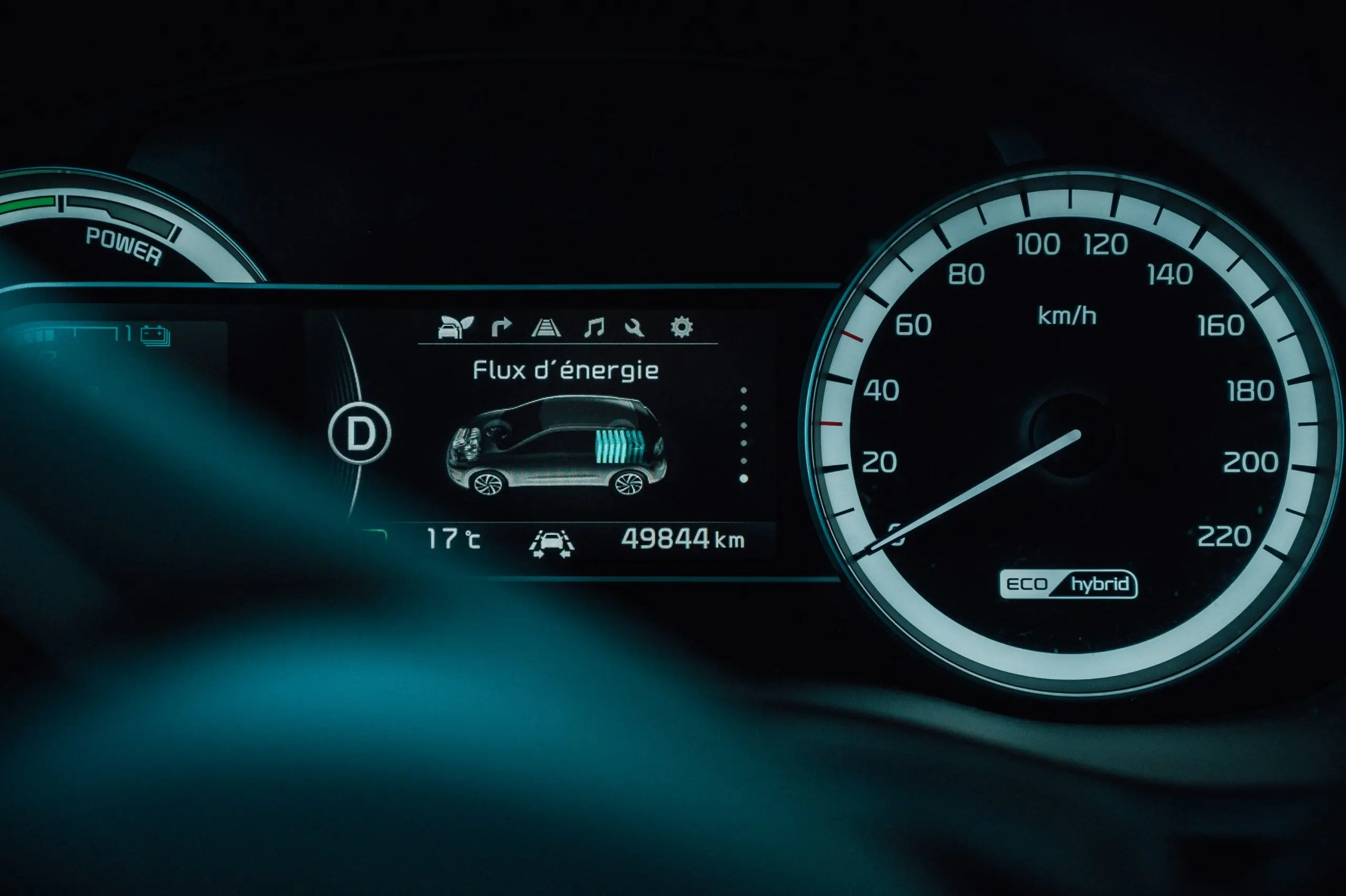
Warning Lights on the Dashboard
One of the clearest signs of overheating is a warning light.
You may see:
- A hybrid system warning
- A battery temperature warning
- A check engine light
These lights don’t always mean the battery is overheating, but they should never be ignored. If a warning light appears during long drives, hot weather, or uphill driving, overheating could be the reason.
Sudden Drop in Performance
When a hybrid battery overheats, the car tries to protect itself.
You might notice:
- Slower acceleration
- The engine working harder than usual
- Electric-only mode turning off quickly
- Less power when climbing hills
This happens because the system reduces battery usage to lower heat. If your car suddenly feels weak or sluggish, overheating could be the cause.
Battery Charge Drains Too Fast
An overheating hybrid battery often struggles to hold a charge.
Signs include:
- The battery gauge dropping quickly
- Frequent switching between engine and battery
- The battery rarely reaching full charge
Heat increases internal resistance, making the battery less efficient. If the charge level becomes unstable, overheating may be happening behind the scenes.
Loud or Constant Cooling Fan Noise
Hybrid batteries have cooling fans to keep temperatures under control. When overheating starts, the fan may work overtime.
Listen for:
- A loud fan noise from the rear seat or trunk area
- The fan running even when driving slowly
- Fan noise that continues after the car is turned off
A constantly running fan often means the battery is struggling to stay cool.
Unusual Smells Inside the Car
Overheating batteries can produce noticeable odors.
Common smells include:
- A hot plastic smell
- A burning or electrical scent
- A chemical-like odor
These smells are serious warning signs. They may indicate overheating battery components or nearby wiring getting too hot. If you notice this, stop driving and have the vehicle inspected.
Reduced Fuel Economy
Hybrid systems rely on the battery to improve fuel efficiency. When the battery overheats, the gas engine takes over more often.
This can cause:
- Lower miles per gallon
- More frequent engine use
- Shorter electric driving time
If your fuel economy suddenly drops without a clear reason, battery overheating could be affecting efficiency.
Hot Weather Makes Symptoms Worse
Overheating issues often become more obvious in hot weather.
Pay attention if problems happen:
- During summer months
- After parking in direct sunlight
- During long trips or traffic jams
If symptoms appear mainly on hot days, it’s a strong sign that heat management is failing.
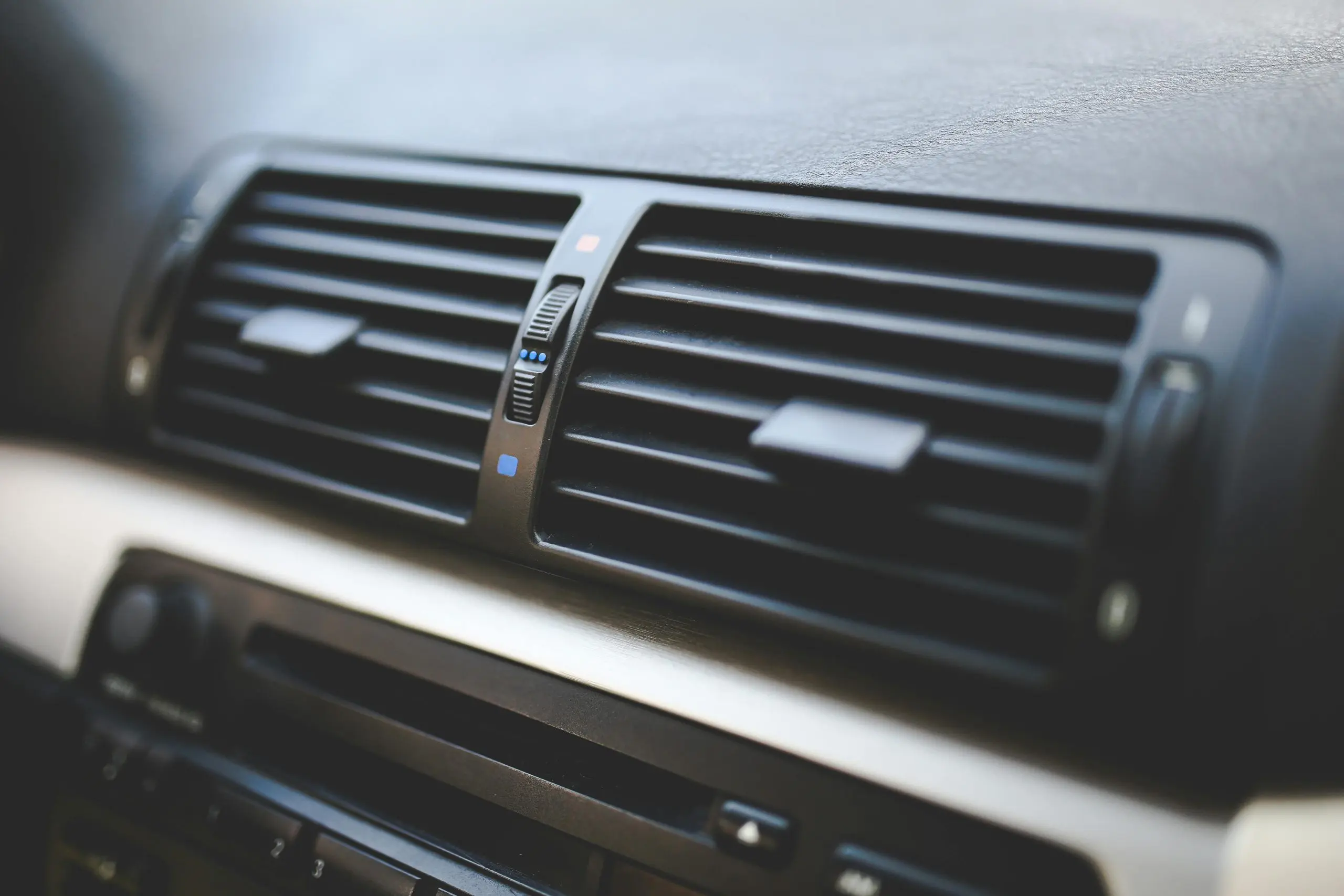
Blocked or Dirty Air Vents
Many drivers don’t realize hybrid batteries have air intake vents, often located near the rear seats.
Overheating can happen if:
- The vents are blocked by bags or clothing
- Dust, pet hair, or debris clogs the intake
- The cabin air filter is dirty
Check these vents regularly. Even a small blockage can reduce airflow and cause heat buildup.
Frequent System Warnings or Shutdowns
In severe cases, the hybrid system may partially shut down.
You may experience:
- The car switching to gas-only mode
- Warning messages telling you to stop safely
- Limited driving speed
These are safety features designed to prevent permanent battery damage. Repeated shutdowns are a clear sign of overheating or cooling system failure.
How to Confirm Battery Overheating
While warning signs are helpful, confirmation often requires professional tools.
A technician can:
- Read battery temperature data
- Check cooling fan operation
- Inspect vents and filters
- Test battery health
If multiple symptoms appear together, it’s best to have the system checked as soon as possible.
What to Do If You Suspect Overheating
If you think your hybrid battery is overheating:
- Reduce aggressive driving
- Avoid heavy loads
- Park in shaded areas
- Keep battery vents clear
- Schedule a diagnostic check
Ignoring overheating can shorten battery life and lead to expensive repairs.
Final Thoughts
Hybrid battery overheating doesn’t happen overnight. It builds up slowly and gives warning signs along the way. Dashboard alerts, weak performance, fast charge drops, loud fans, and unusual smells are all signals your car is trying to protect itself.
By learning how to identify overheating early, you can take action before serious damage occurs. A little awareness goes a long way in keeping your hybrid running smoothly, safely, and efficiently for years to come.