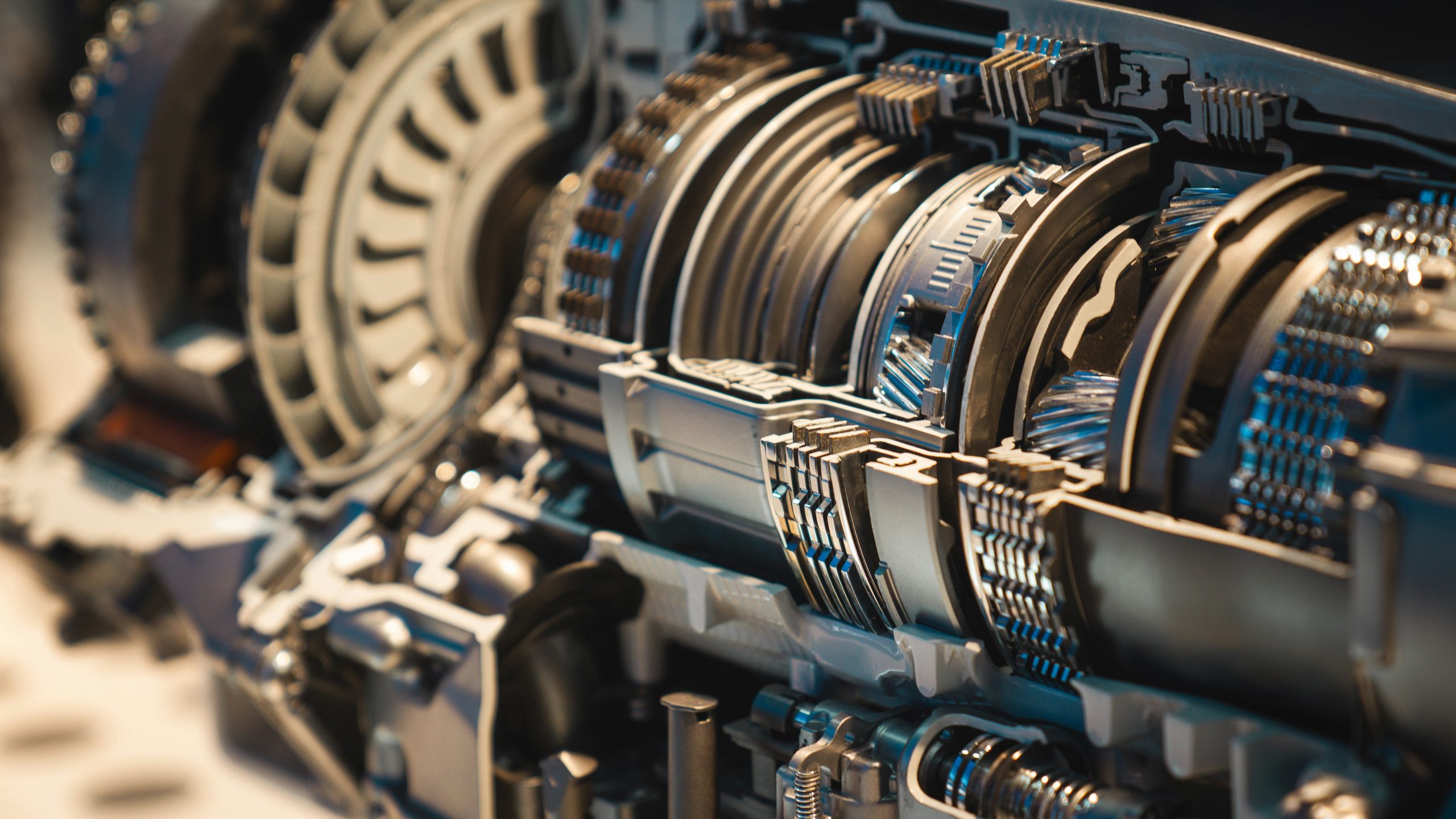
The transmission is a critical component of your vehicle, responsible for transferring power from the engine to the wheels. This process ensures smooth and efficient driving. Proper maintenance and timely repairs are essential to keep your transmission in top working condition and avoid costly breakdowns.
Recognizing Early Signs of Transmission Issues
Detecting transmission problems early can save you from extensive damage and expensive repairs. Look out for symptoms such as slipping gears, delayed or rough shifting, strange noises like grinding or whining, and leaking transmission fluid. If you observe any of these signs, it’s important to seek professional help immediately to prevent further damage.
The Transmission Repair Process
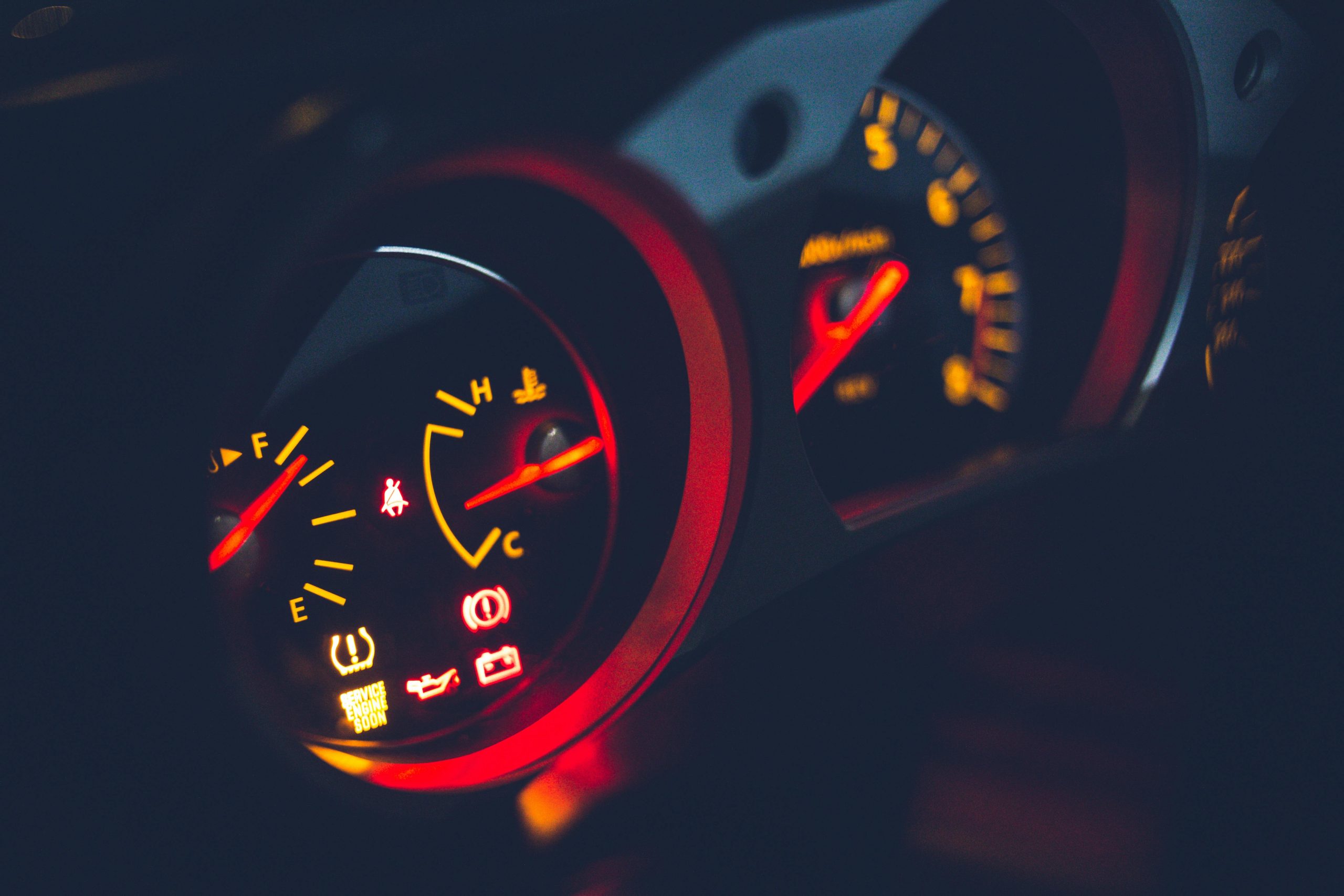
When you bring your vehicle in for transmission repair, the first step is a comprehensive diagnostic assessment. Technicians will check the transmission fluid levels and condition, use diagnostic tools to identify error codes, and inspect internal components. Based on the diagnosis, the necessary repairs may involve replacing worn-out parts, fixing leaks, or addressing electronic issues. Accurate diagnosis and skilled repairs ensure that your transmission functions properly and your vehicle performs optimally.
When Transmission Replacement Is the Best Option
In some situations, repairing the transmission may not be sufficient to resolve the problem. Severe internal damage, high mileage, or recurrent issues might necessitate a complete transmission replacement. While this is a significant investment, a new or rebuilt transmission can enhance your vehicle’s reliability and performance, offering long-term benefits and peace of mind.
Choosing a Trustworthy Auto Repair Shop
Selecting a reputable auto repair shop is crucial for quality transmission repairs or replacements. Look for a shop with certified and experienced technicians, positive customer reviews, and a clear warranty policy. A reliable repair shop will provide transparent pricing, detailed explanations of the necessary work, and excellent customer service, ensuring you feel confident in their expertise and the quality of their work.
Importance of Regular Transmission Maintenance
Regular maintenance is key to preventing transmission issues and extending its lifespan. Follow your vehicle manufacturer’s recommended service intervals for checking and changing transmission fluid. Avoid aggressive driving habits that can put extra strain on the transmission, and address minor issues promptly to prevent them from escalating into major problems. Consistent maintenance helps keep your transmission in top condition, ensuring your vehicle runs smoothly and efficiently.
By understanding the importance of transmission care, recognizing early signs of trouble, and choosing a reliable repair shop, you can keep your vehicle in excellent condition. Regular maintenance and timely professional attention will ensure your transmission operates smoothly, providing a safe and enjoyable driving experience for years to come.